Vehicle Transfer of Ownership Process in Pakistan: Step by Step
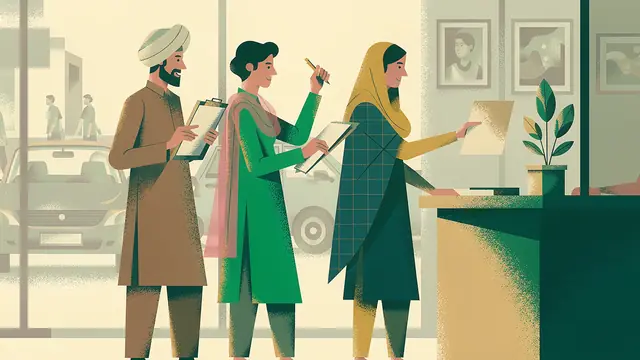
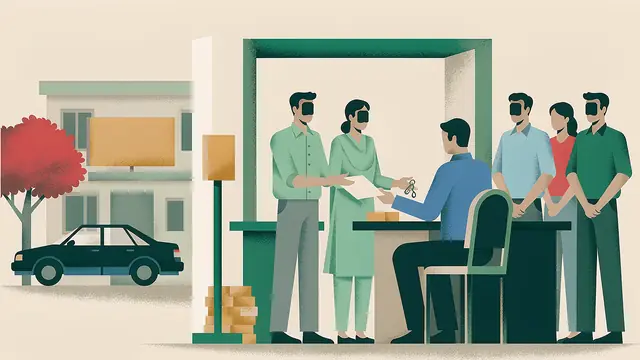
Vehicle transfer of ownership in Pakistan runs through sale letter, application, verification, fee and record update. Confirm your province's current fee first.
Moving a vehicle from one name to another — including the inheritance cases that trip most families up.
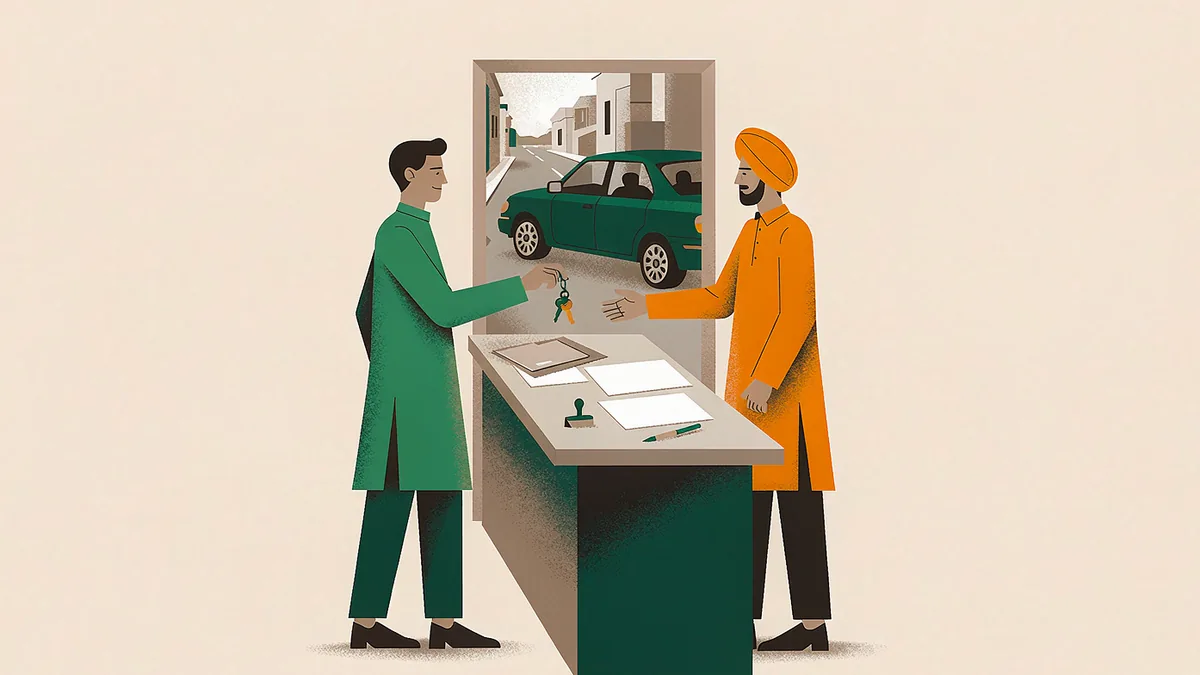
Vehicle transfer of ownership in Pakistan runs through sale letter, application, verification, fee and record update. Confirm your province's current fee first.
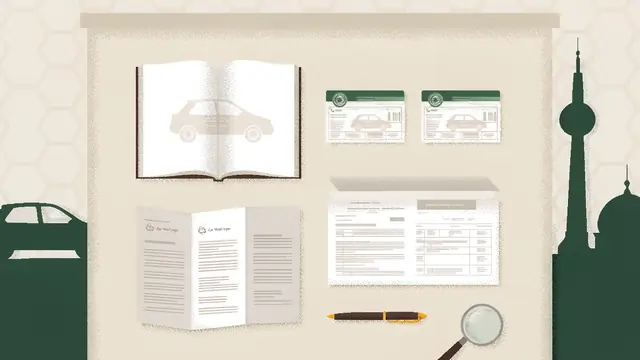
Documents required for vehicle transfer in Pakistan: registration book, CNIC copies, sale letter, token tax clearance. Check your province's checklist.
Vehicle transfer charges in Pakistan combine a transfer fee, stamp duty, document issue and dues. See how the total varies and confirm it before paying.
If a transfer is never completed, the record still names the seller. See the risks for both sides in Pakistan and how to restart a stalled transfer.
Check transfer status by pulling the ownership record against the registration number. See what each status means and what to do if it stalls.
Vehicle transfer rules cover who may apply, seller attendance, clearance of dues, financed vehicles and registrations held in another province.
Stamp duty on a vehicle transfer is a provincial charge on the sale instrument. Learn how it is worked out, who pays and how to confirm the rate.
Vehicle transfer mistakes include paying in full, trusting a sale letter and skipping the tax check. See the errors buyers make and the safer order.
Vehicle transfer deadline penalties in Pakistan apply once the post-sale period passes. Late fees vary by province and both buyer and seller stay exposed.
Transfer a vehicle after death in Pakistan through legal heirs, succession evidence and the excise department. The succession certificate takes longest.