
Transfer
Stamp Duty on a Vehicle Transfer in Pakistan: What It Is and Who Pays
Key takeaways
- Stamp duty is charged on the sale instrument, not on annual road use.
- Each province sets its own rate against value or slabs, revised over time.
- The buyer usually pays it, but the sale terms should say so explicitly.
- Confirm the itemised figure with your provincial department before paying.
Stamp duty on a vehicle transfer in Pakistan is a provincial tax charged on the sale instrument that records the change of ownership, and it is separate from the transfer fee the excise and taxation department charges for processing the file. Its purpose is to give the transaction a properly executed written record rather than resting on a private arrangement. Whether it applies, how it is worked out and who pays it vary between provinces. This guide explains the principle behind it and how to establish the position that applies to your transfer.
What stamp duty is
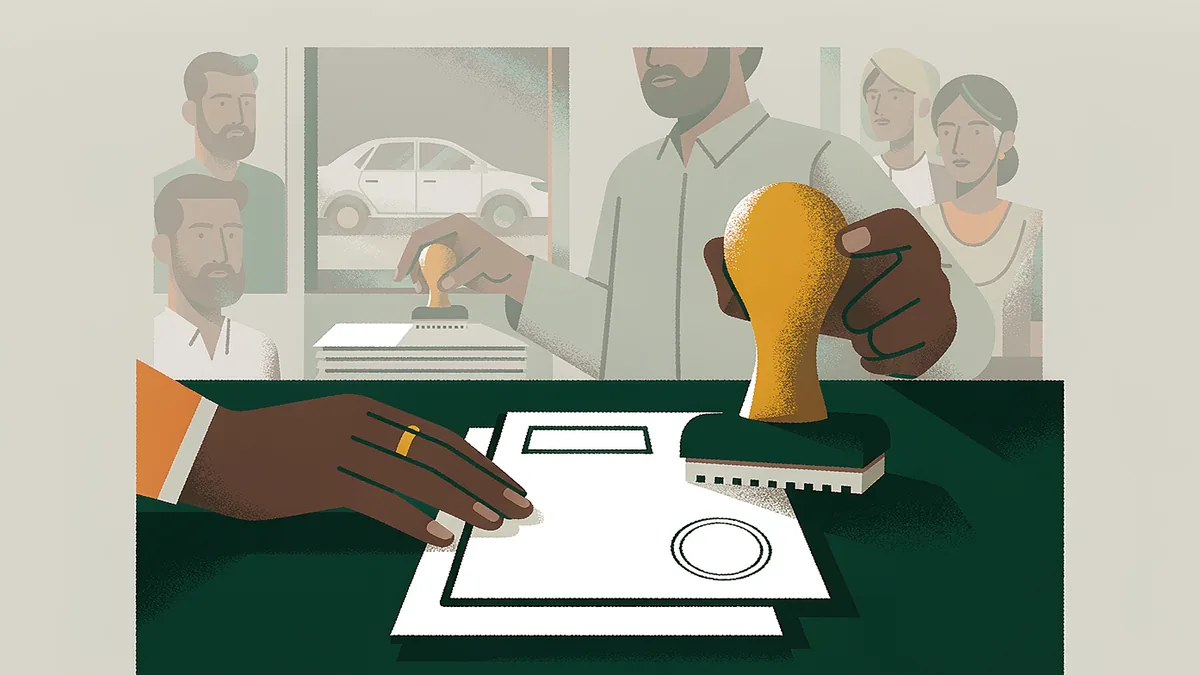
Stamp duty is charged on instruments, meaning written documents that record a transaction. On a vehicle sale, the instrument is the sale letter or sale deed signed by the seller and buyer setting out the vehicle, the price and the parties. Paying the duty is what gives that document standing as evidence of the sale.
- It is a charge on the document, not on driving. Token tax is an annual charge on keeping a vehicle on the road. Stamp duty arises once, when ownership changes hands.
- It is separate from the transfer fee. The transfer fee pays for processing the change on the government record. Stamp duty taxes the instrument recording the sale. Both can appear in the same transaction.
- It is levied under provincial law. Each province decides whether a motor vehicle transfer attracts duty, at what rate, and how payment is made and evidenced.
Why it exists on a vehicle sale
A vehicle is a valuable, identifiable asset whose ownership is recorded publicly. Charging duty on the written sale serves several purposes at once.
- A verifiable record. A executed document recording the parties, the vehicle and the price is far stronger evidence than a private note.
- A date of transfer. The instrument fixes when the sale took place, which matters if responsibility for the vehicle is later questioned.
- Protection for both sides. The seller can show they parted with the vehicle; the buyer has something to show for what they paid.
- Consistency with the ownership record. The department works from documented figures, so the value on the instrument needs to be one you are prepared to stand behind.
State the price actually agreed on the sale instrument. A value written simply to produce a smaller duty figure can create problems for both parties later, including when the same vehicle is transferred again.
How the amount is worked out
Provinces set their own approach, but the structure generally follows one of two patterns.
- A percentage of the stated value. The duty is assessed at a rate against the sale price written on the instrument, so a higher price produces a higher duty.
- A slab or band against value or engine capacity. Some schedules place vehicles into bands, each with its own duty, rather than applying a single percentage.
Three things then determine the figure in practice: the province handling the transfer, the value stated on the instrument or the applicable band, and the vehicle category, since cars, motorcycles and commercial vehicles are commonly treated differently. Because provinces revise their schedules, any figure quoted to you is specific to one province and one period.
Who pays it in practice
In most private sales the buyer pays the transfer costs, including stamp duty, because the buyer is the one acquiring the asset and receiving the registered document. That is a matter of agreement rather than a fixed rule.
- Write it down. The sale terms should state which party pays the duty, the transfer fee and any arrears.
- Negotiate it into the price. Agreeing a price "including transfer costs" and the reverse produce noticeably different outcomes, so be explicit.
- Attend together or settle beforehand. Where duty is paid before the file is filed, get the receipt so the cost is not argued afterwards.
- Splitting arrears and duty. Token tax arrears relate to a period before the sale and often belong to the seller, while duty relates to the transaction. Keep the two separate in your agreement.
Confirming the current rate
Because the rate is provincial and changes over time, confirm it close to the date you file rather than relying on a figure you were quoted months earlier.
- Identify the province handling the transfer, which is the one that registered the vehicle.
- Read that province's schedule of charges for the vehicle category, and note whether duty is assessed against value or by band.
- Ask the excise and taxation department for an itemised figure, showing duty separately from the transfer fee and the document charge.
- Keep the receipt for the duty alongside the transfer fee challan and the application reference.
Treat stamp duty as a normal part of the cost of buying a vehicle rather than an unexpected addition. Confirm whether your province levies it on the transfer, check how it applies to your vehicle's value or category, and get the itemised figure and receipts from the provincial excise and taxation department before you pay.
Keep reading
Vehicle Transfer of Ownership Process in Pakistan: Step by Step
Vehicle transfer of ownership in Pakistan runs through sale letter, application, verification, fee and record update. Confirm your province's current fee first.
Documents Required for Vehicle Transfer in Pakistan
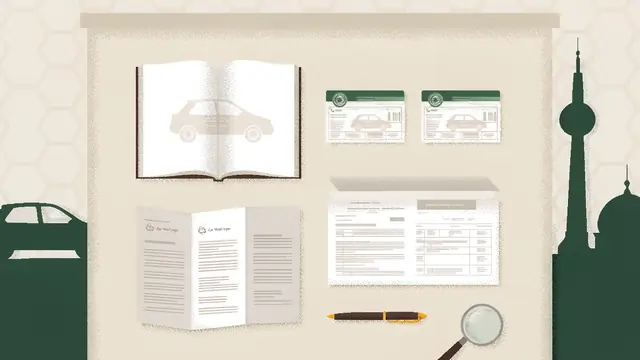
Documents required for vehicle transfer in Pakistan: registration book, CNIC copies, sale letter, token tax clearance. Check your province's checklist.
Vehicle Transfer Charges in Pakistan: How the Total Is Worked Out
Vehicle transfer charges in Pakistan combine a transfer fee, stamp duty, document issue and dues. See how the total varies and confirm it before paying.