
Transfer
Vehicle Transfer Rules in Pakistan: Who Can Apply and What Must Clear
Key takeaways
- Only the recorded owner can transfer; a sale letter alone is not ownership.
- Token tax and recorded penalties must be settled before the record moves.
- A financier's noted interest must be cleared or formally transferred.
- Out-of-province vehicles stay with the authority that registered them.
A transfer of ownership in Pakistan is governed by rules set by each province's excise and taxation department, and they cover who may apply, whether the seller must attend, what dues must be cleared, and how vehicles under finance or registered elsewhere are handled. Applying outside those rules is the usual reason a file is refused or held. This guide sets out the rules that decide whether your transfer moves, so you can prepare properly rather than discovering an objection at the counter.
Who may apply
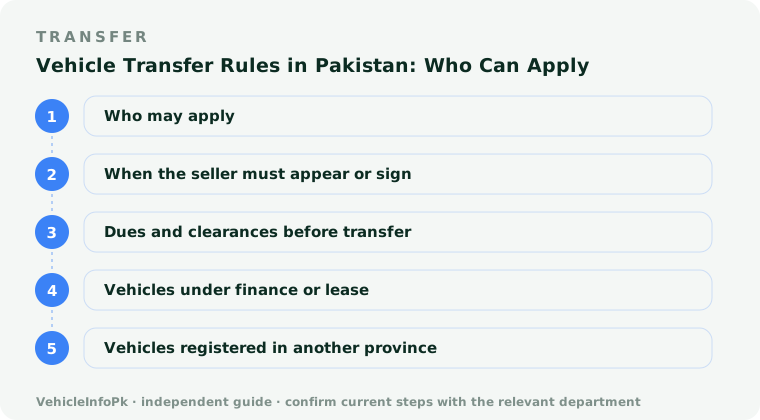
Transfer generally requires both sides of the transaction to be involved, because the department is recording the agreement between them.
- The recorded owner must transfer. Only the person named on the ownership record can pass the vehicle on. A buyer holding an unregistered sale letter cannot file as owner.
- The buyer must be identifiable. The buyer's CNIC is recorded on the new ownership document, so it must be valid and current.
- Companies and organisations. Where a company buys or sells, the department will ask which person is authorised to sign, supported by the authorising document.
- Representatives. Where a party cannot attend, provinces differ on what representation is acceptable. Ask what your province requires before relying on someone else attending in your place.
When the seller must appear or sign
The seller's role is to confirm the sale. Most provinces provide for this either by attendance and biometric verification, or by a properly executed sale instrument, and some require both.
| Situation | What is normally required |
|---|---|
| Both parties available | Joint attendance, signature and biometric verification where the province uses it. This is the smoothest route. |
| Seller unavailable | A properly executed sale letter or sale deed, sometimes with additional attestation. Confirm what your registering office accepts. |
| Seller has died | Transfers follow inheritance procedures rather than the ordinary sale route, using succession documentation. |
| Company ownership | Signature by an authorised officer supported by the authorising document. |
Nothing about a transfer should rely on a signature alone. Whatever document is used, the seller's identity and the vehicle details must match the existing record exactly, or the file will be held.
Dues and clearances before transfer
A vehicle moves to its new owner with its record, so outstanding liabilities are dealt with as part of the transfer.
- Token tax. Unpaid periods are normally required to be settled before the ownership record is updated.
- Penalties already recorded. Any penalty standing against the registration must be cleared or explained.
- Outstanding challans. Recorded traffic fines can surface against the vehicle and should be checked before attending.
- Agreement between the parties. Whichever side pays what should be written into the sale terms before the visit, not argued at the counter.
Checking the vehicle's tax and challan position before agreeing a price protects the buyer from inheriting arrears and protects the seller from delays.
Vehicles under finance or lease
A vehicle bought on financing is recorded with the financier's interest noted against it, because the financier holds a claim over the asset until the facility is settled.
- The interest must be addressed. A financed vehicle is not freely transferable while that interest stands; the financier's position has to be dealt with first.
- A settlement letter is required. Where the facility has been paid off, ask the financier for written confirmation and have the noted interest removed from the record.
- Transferring with the facility running. Some arrangements allow the facility to pass to the buyer, but that requires the financier's involvement and approval.
- Leased vehicles. The leasing company remains the recorded owner for the duration of the lease, so the ordinary seller and buyer transfer does not apply.
For the buyer, this is the check most often skipped. Confirm with the financier in writing that the facility is settled before paying.
Vehicles registered in another province
Provinces maintain separate registers, and the transfer is handled by the authority that holds the vehicle's record, not by the province where the buyer happens to live.
- Transfer where it is registered. File with the registering authority of the province that issued the registration book or smart card.
- Requirements differ. Documentation and local procedures vary, so check the requirements of that province specifically.
- Moving a vehicle between provinces. Where a vehicle will be kept long term in another province, ask the registering authority what the move involves and whether a record transfer between provinces is available.
- Expect a longer process. A cross-province file takes longer than a local one, so plan the timing around it.
Establish which rules apply to your situation before you attend: the transfer is mandatory for both sides, dues must be dealt with, a financier's interest has to be cleared, and an out-of-province vehicle stays with its registering authority. Confirm those points with your provincial excise and taxation department, then file once with documents that match the existing record exactly.
Keep reading
Vehicle Transfer of Ownership Process in Pakistan: Step by Step
Vehicle transfer of ownership in Pakistan runs through sale letter, application, verification, fee and record update. Confirm your province's current fee first.
Documents Required for Vehicle Transfer in Pakistan
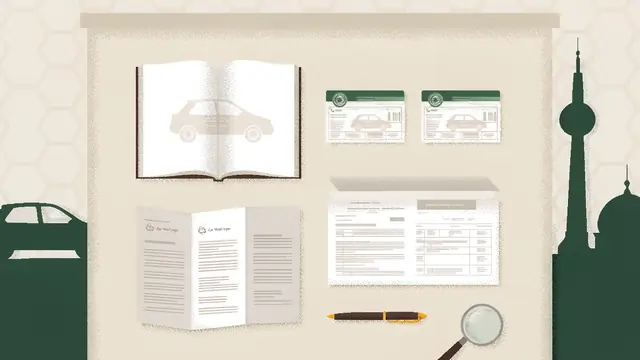
Documents required for vehicle transfer in Pakistan: registration book, CNIC copies, sale letter, token tax clearance. Check your province's checklist.
Vehicle Transfer Charges in Pakistan: How the Total Is Worked Out
Vehicle transfer charges in Pakistan combine a transfer fee, stamp duty, document issue and dues. See how the total varies and confirm it before paying.