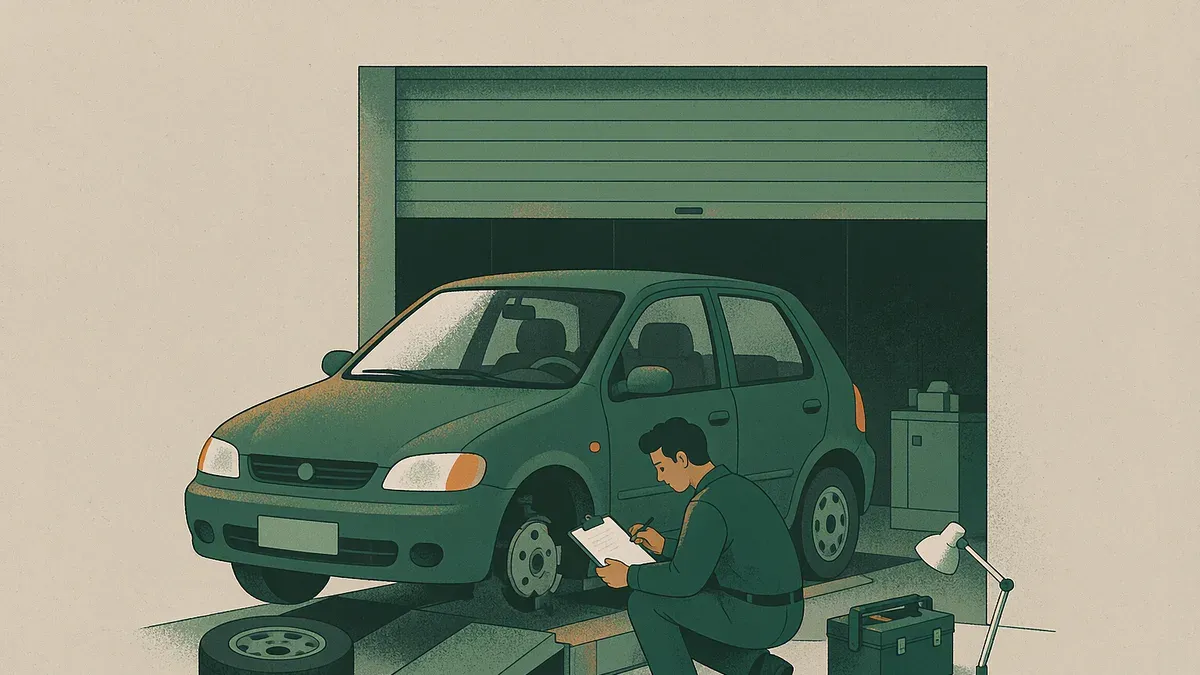
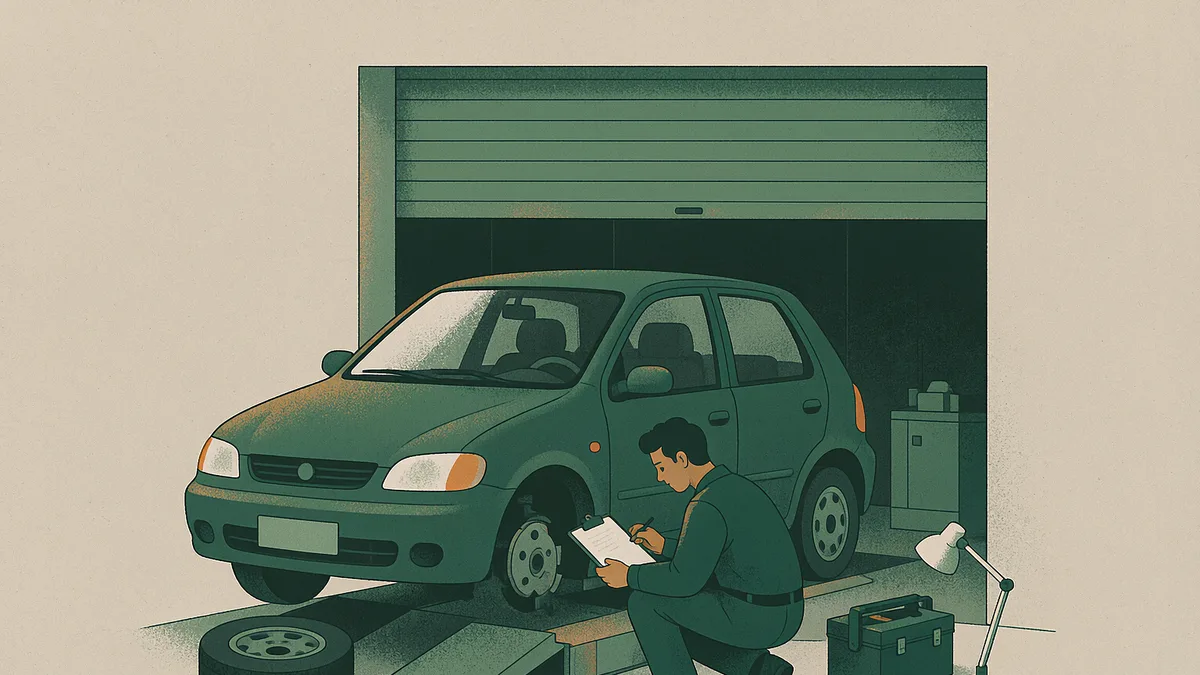
Modification advice in Pakistan often mixes two separate questions. One is whether the change has to be entered on the registration record so the paperwork matches the vehicle. The other is whether the change is allowed on a public road at all. A part can be perfectly legal to fit and still need recording, and a part can be sold openly while being stopped at every checkpoint. Sorting your plans into those two groups before you spend money saves the cost of reversing the work later.
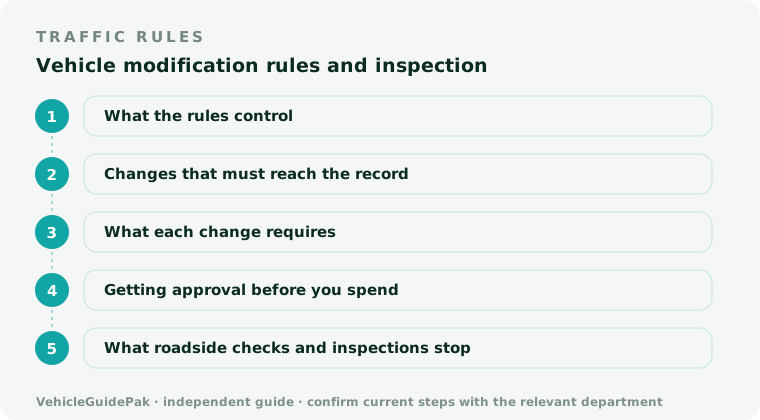
What the rules control
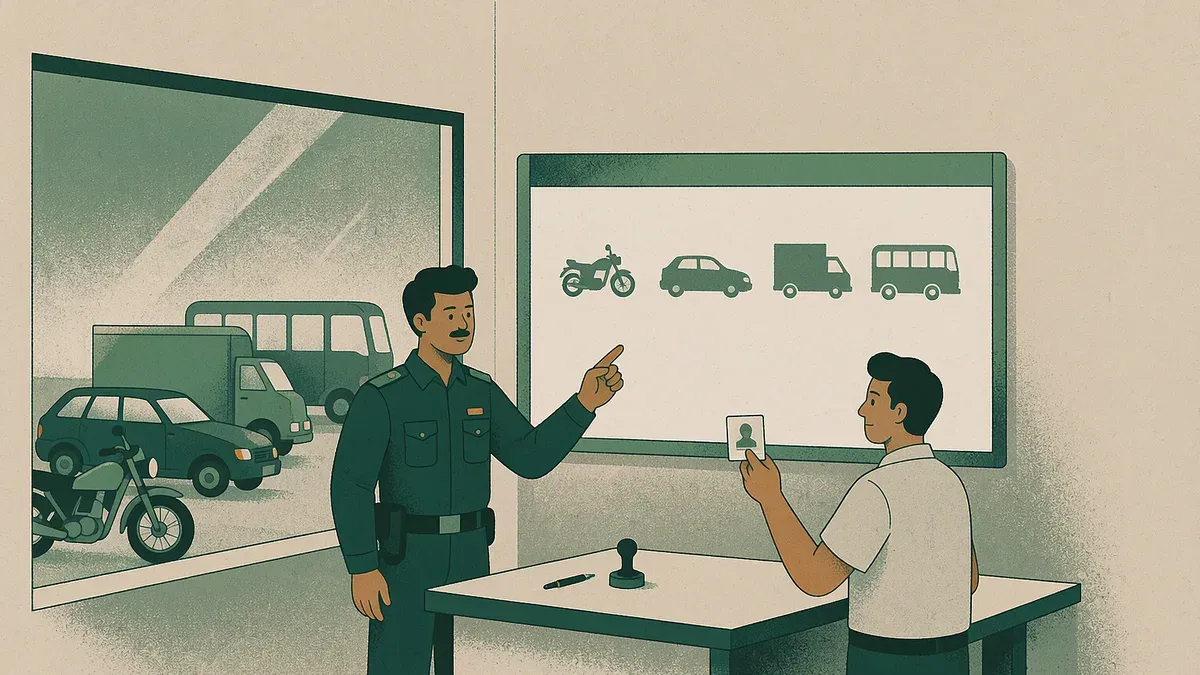
Registration records a set of facts about a vehicle: make and model, engine number, chassis number, engine capacity, colour, body type, seating capacity and the class used for tax. The record is built from a physical inspection and an application form that the owner signs, and Islamabad’s excise office describes that sequence on its vehicle registration page. Once any of those facts changes, the certificate describes a vehicle that no longer exists, and every later process that depends on the record inherits the error.
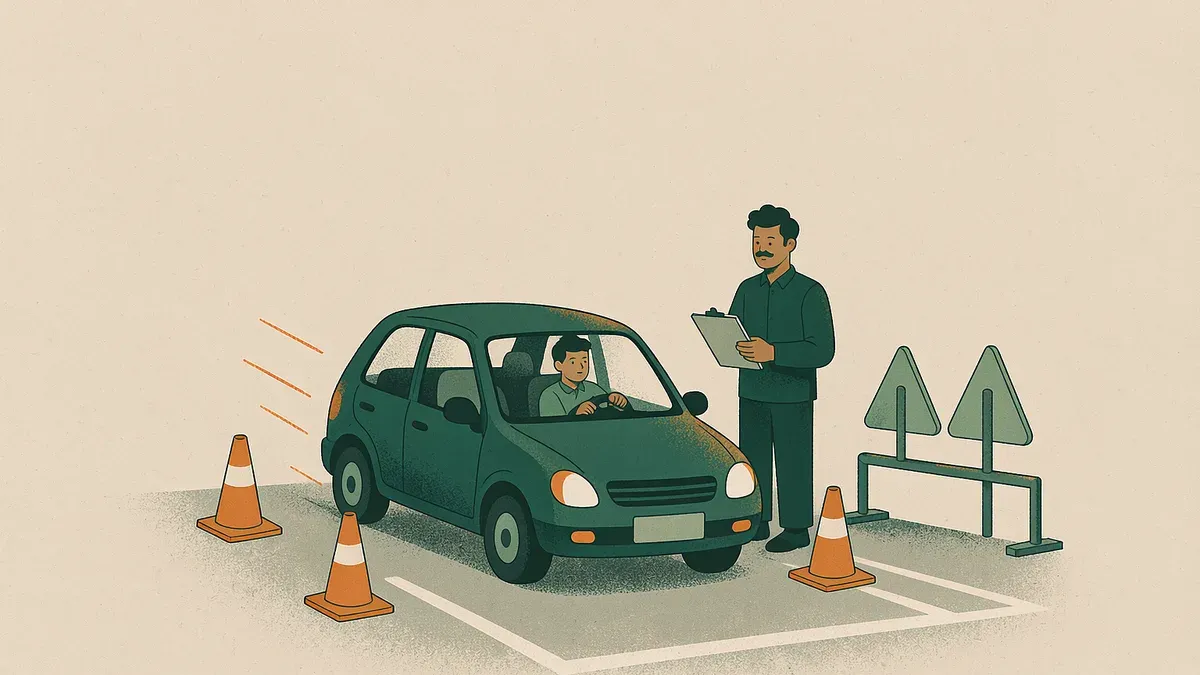
Road rules control a different set of things: what the vehicle may look like and how it may behave in traffic. Lights, glass, noise, plates and bodywork fall here. These are checked by traffic police and again during a fitness inspection, which is why a modification that passed unnoticed for a year can fail the next certificate.
Changes that must reach the record
An engine replacement is the clearest example. The new engine carries a different stamped number, and until that number is entered against the vehicle, the registration book points at an engine that is no longer fitted. Offices generally want the invoice or bill of sale for the replacement engine, and for an imported engine they may ask for the customs paper that shows it entered the country legally.
A fuel conversion is the second. A CNG or LPG kit adds a pressure vessel and a second fuel system, and the kit has to be approved and installed by a licensed workshop. The cylinder carries a test date, and a cylinder past that date fails inspection regardless of how well the car runs. The conversion should be shown on the registration record, and the insurer should be told, because a policy written for a petrol-only car can be read narrowly after a gas fire.
A colour change is the third. A full wrap or respray leaves the vehicle a different colour from the one on the certificate, and that difference is visible from across a car park. Body type and seating capacity changes belong here too, since turning a pickup into a passenger carrier or adding seats moves the vehicle into another class for token tax, fitness and, if it carries fare-paying passengers, route permits.
What each change requires
| Change | Record update needed | Paper the office usually asks for | If it is skipped |
|---|---|---|---|
| Replacement engine | Yes, new engine number | Workshop invoice, customs paper for an imported engine | Record and vehicle disagree; transfer and inspection stall |
| CNG or LPG kit | Yes, fuel system noted | Kit and cylinder certificate, fitter’s invoice | Insurance dispute after a fire; inspection refusal |
| Full respray or wrap | Yes, colour field | Workshop invoice, photographs | Roadside query, delay at transfer |
| Body or seating change | Yes, body type and capacity | Fabrication invoice, revised fitness inspection | Wrong tax class, refused permit, failed fitness |
| Chassis repair or replacement | Yes, and usually an inspection | Repair invoice, structural report | Registration can be questioned; resale value collapses |
Getting approval before you spend
- Describe the change at the counter and ask whether it needs prior approval, a fresh inspection, or only a record entry. Do this before booking the workshop.
- Ask for the answer in writing, even if it is a short note on the application. A named officer and a date settle most arguments later.
- Use a workshop that will put the engine number, kit details or paint code on its invoice. A cash slip with no description is treated as no evidence.
- Keep the parts you remove. An original airbox, silencer or wheel set makes it possible to put the vehicle back to standard if an inspection objects.
- Bring the vehicle for inspection with the work finished, not half done. An examiner who sees an open wiring loom will stop and ask you to return.
- Collect the revised book or card and read the changed field before leaving the counter.
What roadside checks and inspection bays stop
Window film is the most commonly enforced item. The front windscreen and front side windows have to stay clear enough for an officer to see the driver and the seat beside them, and dark film on the front glass draws a challan in Lahore, Karachi and Islamabad. Film on the rear glass is treated with more tolerance in some districts, but the tolerance is local practice rather than a right.
Plates are next. Only the official computerised plate is valid, and covers, fancy fonts, altered spacing and plates bent to defeat a camera are stopped. Blue and red exterior lights are reserved for emergency vehicles, and coloured underglow is not permitted on a public road. Bright aftermarket headlight bulbs fitted into a housing designed for a halogen bulb throw glare at oncoming traffic and are a standing target for traffic police.
Horns are simpler. A single-tone horn is expected, and pressure horns or multi-tone musical horns are removed when found. Exhaust work that removes the silencer or makes the vehicle noticeably loud fails on noise, and a cut-out or straight-through system is treated as an alteration rather than a repair. Suspension changes that lift or lower the vehicle enough to affect stability or ground clearance can be refused at inspection, particularly on a commercial vehicle carrying loads.
Insurance, resale and fitness
An insurer prices a policy for the vehicle it was told about. An engine swap, a gas kit or a structural repair that the company never learned of gives it a reason to examine a claim closely, and the argument happens when the vehicle is already damaged. The same gap appears at resale: a buyer who verifies the vehicle finds an engine number that does not match the book and either walks away or discounts the price by more than the modification cost.
For commercial vehicles the stakes are higher. Fitness inspection looks at the vehicle as it will work, so a modified load body, added seats or an altered suspension is assessed against the load and passenger safety rules. A failed inspection takes the vehicle off the road until it is put right.
Note: Enforcement is provincial and local. Punjab has run repeated campaigns on tint, lights and noise, Sindh has campaigned against dark film and non-standard plates in Karachi, Khyber Pakhtunkhwa lists its own penalties for illegal alteration and noise, and Islamabad traffic police enforce tint and headlight limits inside the capital. Balochistan enforces the same framework with fewer campaigns, which is a difference in practice rather than permission.
A sequence to follow
Decide what the change is for, then check the two questions in order. If it alters a recorded fact, get the record amended and keep the papers with the vehicle. If it alters how the vehicle looks or sounds on the road, confirm the local position before fitting it, and keep the original parts.
For anything structural or engine-related, ask the excise office first and the workshop second. The reverse order is how most expensive reversals begin.