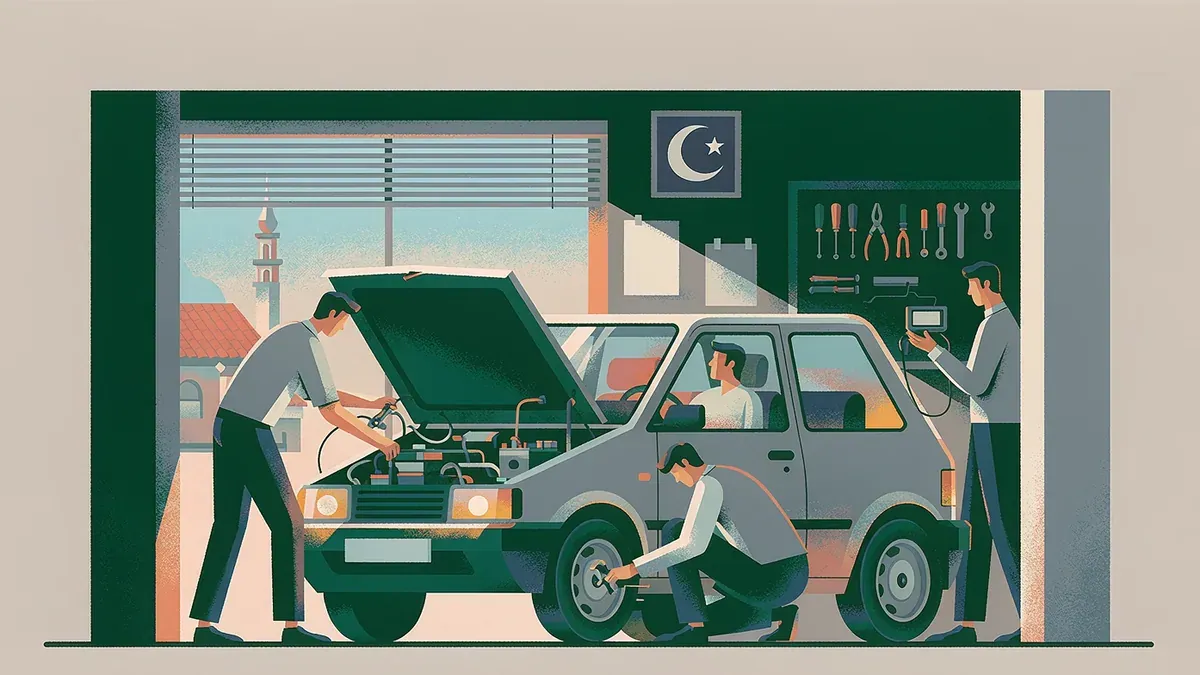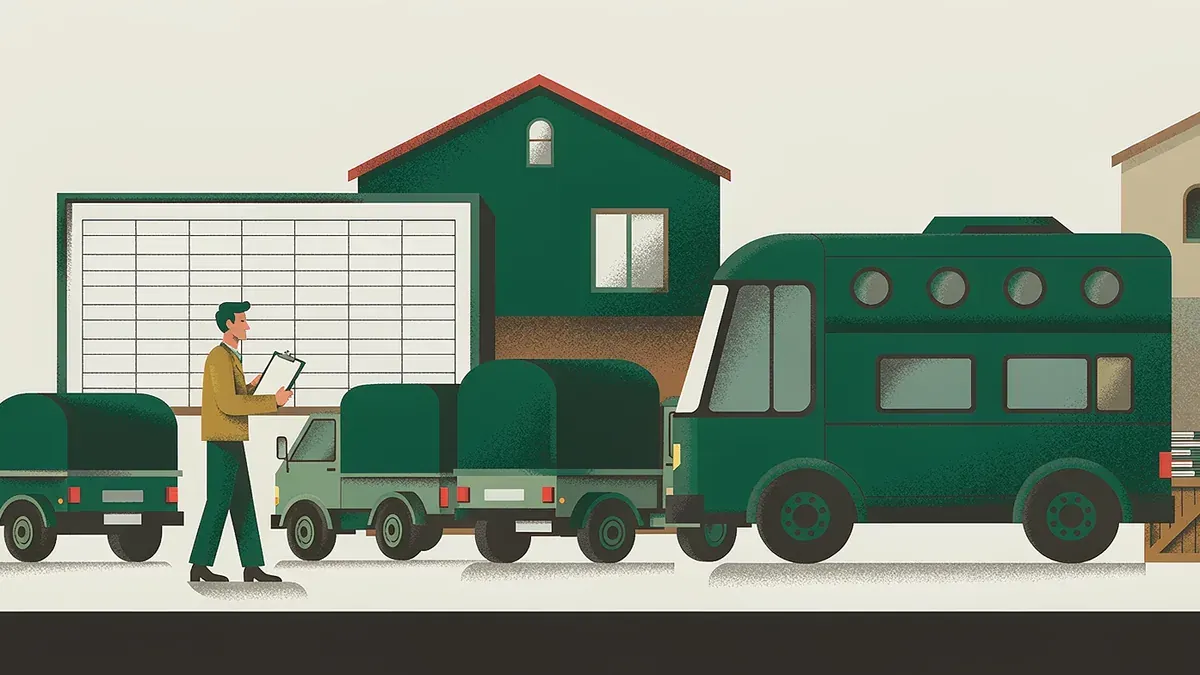
Route Permit for Commercial Vehicles in Pakistan: Types, Papers and Renewal
How route permits work for buses, taxis, rickshaws and goods vehicles in Pakistan, the file a regional transport authority asks for, and how to keep the permit from lapsing.

Guides for applying, preparing for inspection, renewing, and checking validity of vehicle fitness certificates in Pakistan.
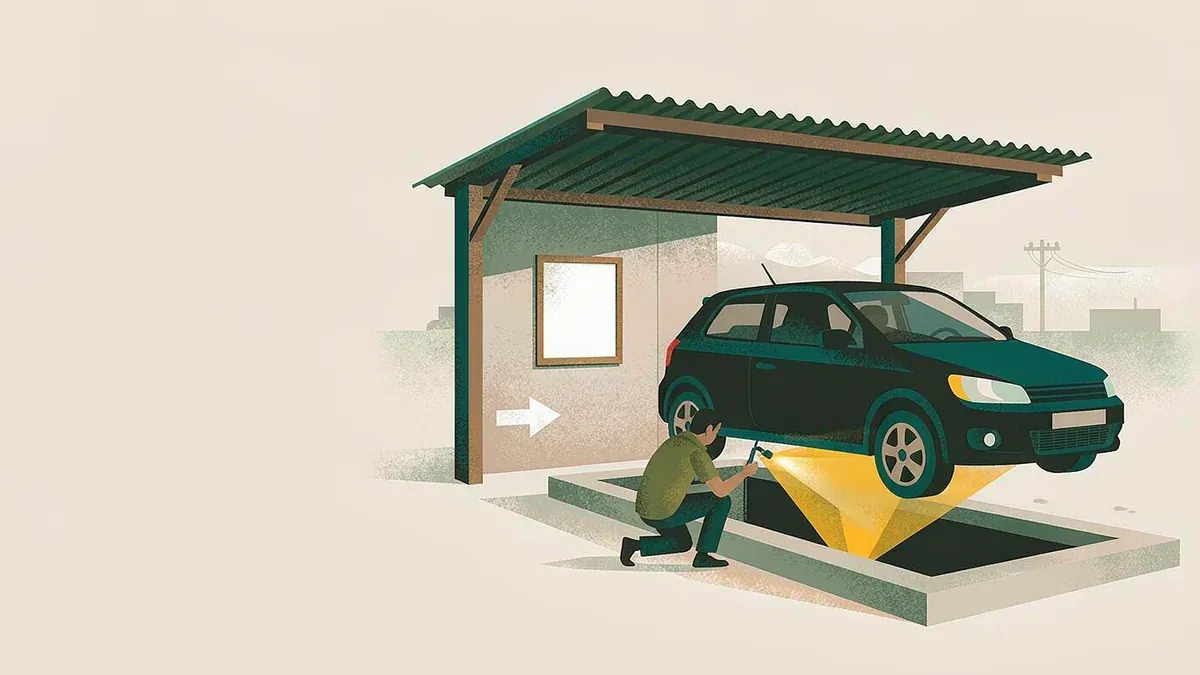
How route permits work for buses, taxis, rickshaws and goods vehicles in Pakistan, the file a regional transport authority asks for, and how to keep the permit from lapsing.
Apply for a Pakistan vehicle fitness certificate with confidence: documents, fee payment, inspection booking, test day and refusal reasons explained.
A vehicle fitness certificate proves roadworthiness. Learn who needs one in Pakistan, how long it stays valid, and how it differs from token tax.
Fitness certificate validity is set by the authority and differs by class and province. Learn when it starts, when it ends, and the expiry gap.
The fitness certificate document set covers registration book, CNIC, token tax clearance and route permit, and what to do if one is missing.
Private cars follow a lighter fitness route than commercial vehicles. Learn the events that trigger an inspection and how the two routes differ.
Fitness certificate fees are built from inspection, certificate and levy components. Learn how the total is structured and where to confirm it.
Start your fitness certificate renewal three to four weeks before expiry. Learn the documents, inspection steps and how a lapsed record is handled.
Check brakes, lights, tyres, glass, emissions and documents before a Pakistan vehicle fitness inspection and give you the best chance of passing first time.
Commercial vehicle fitness rules in Pakistan: tighter inspection cycles, the route permit link, and how operators can track every compliance deadline.
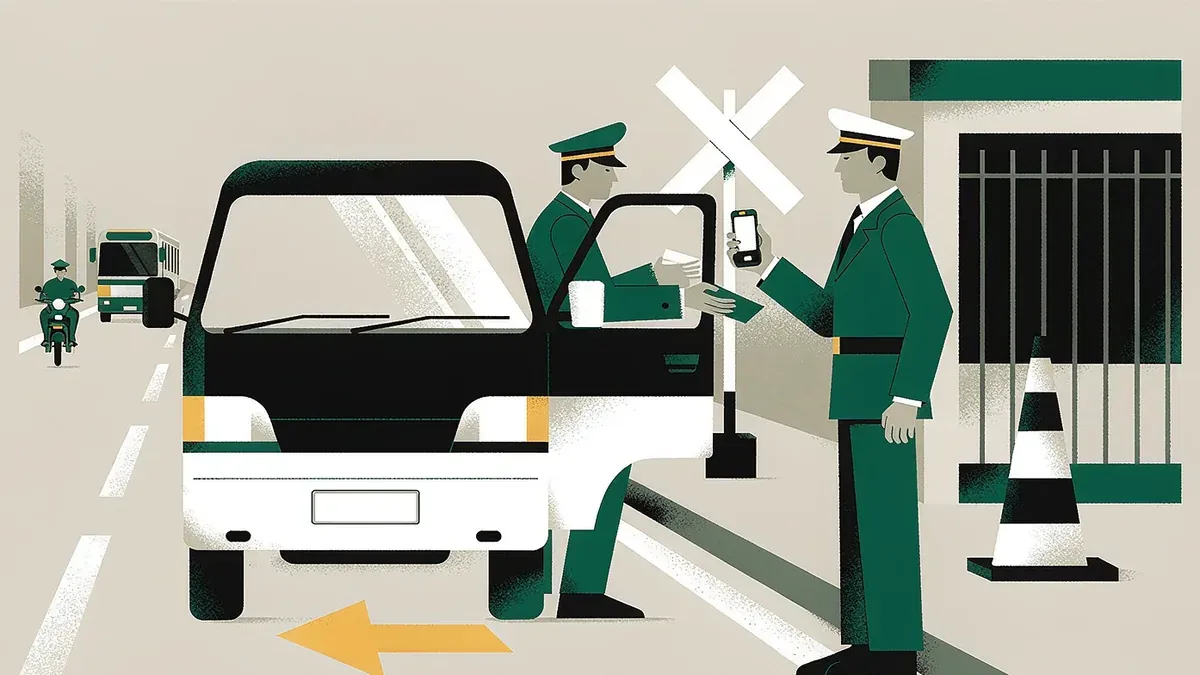
A fitness certificate is one of the records checked at a roadside stop. Learn what officers look for and why an expired one draws a challan.