Lost or Damaged Number Plate in Pakistan: Replacement Steps by Province
What to do when a number plate is stolen, lost or broken in Pakistan, where replacement is handled in Punjab, Sindh and Islamabad, and what to carry while you wait.

Showing 13–24 of 68 step-by-step guides across 6 topics.
What to do when a number plate is stolen, lost or broken in Pakistan, where replacement is handled in Punjab, Sindh and Islamabad, and what to carry while you wait.
How route permits work for buses, taxis, rickshaws and goods vehicles in Pakistan, the file a regional transport authority asks for, and how to keep the permit from lapsing.
Which vehicles in Pakistan need third-party motor insurance, what a policy pays after a crash, and how to buy and prove cover the registration authority will accept.
Verify vehicle ownership online by registration number: see what the provincial lookup returns, which fields to match, and what the result means.
Vehicle transfer of ownership in Pakistan runs through sale letter, application, verification, fee and record update. Confirm your province's current fee first.
Token tax in Pakistan is the annual provincial road tax on a registered vehicle, charged by engine size or category. Rates differ in every province.
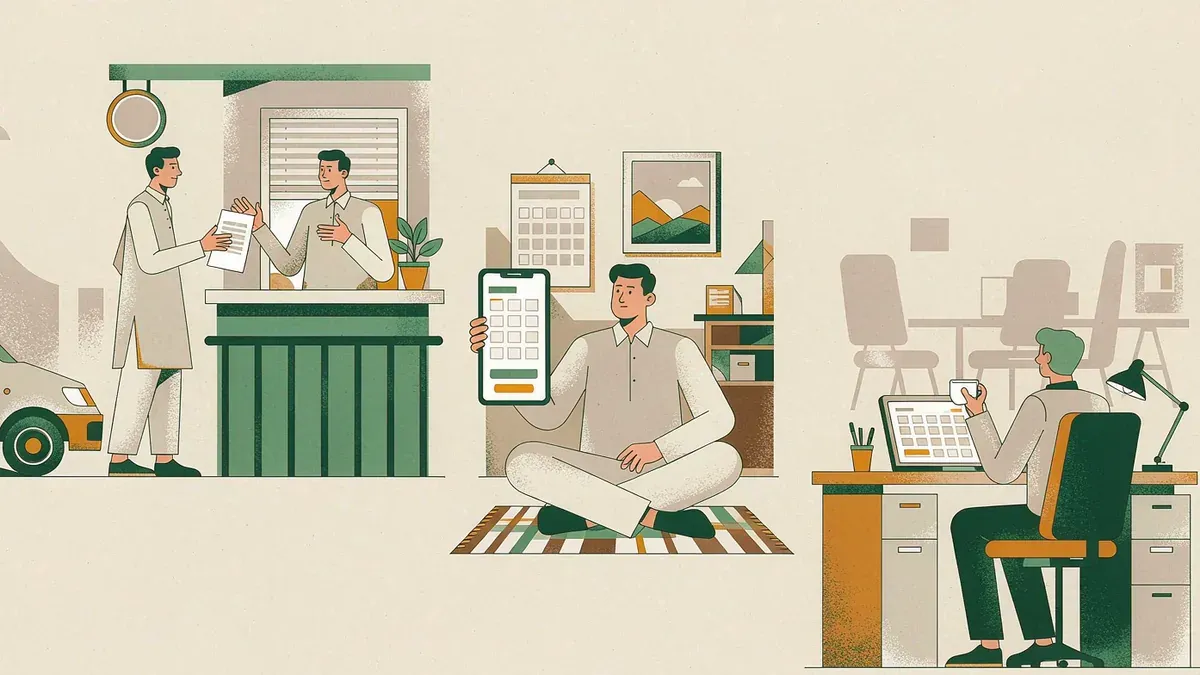
Apply for a Pakistan vehicle fitness certificate with confidence: documents, fee payment, inspection booking, test day and refusal reasons explained.
Registering a new vehicle in Pakistan runs from sale invoice to number plate in six clear steps. See the right order and who files each part.
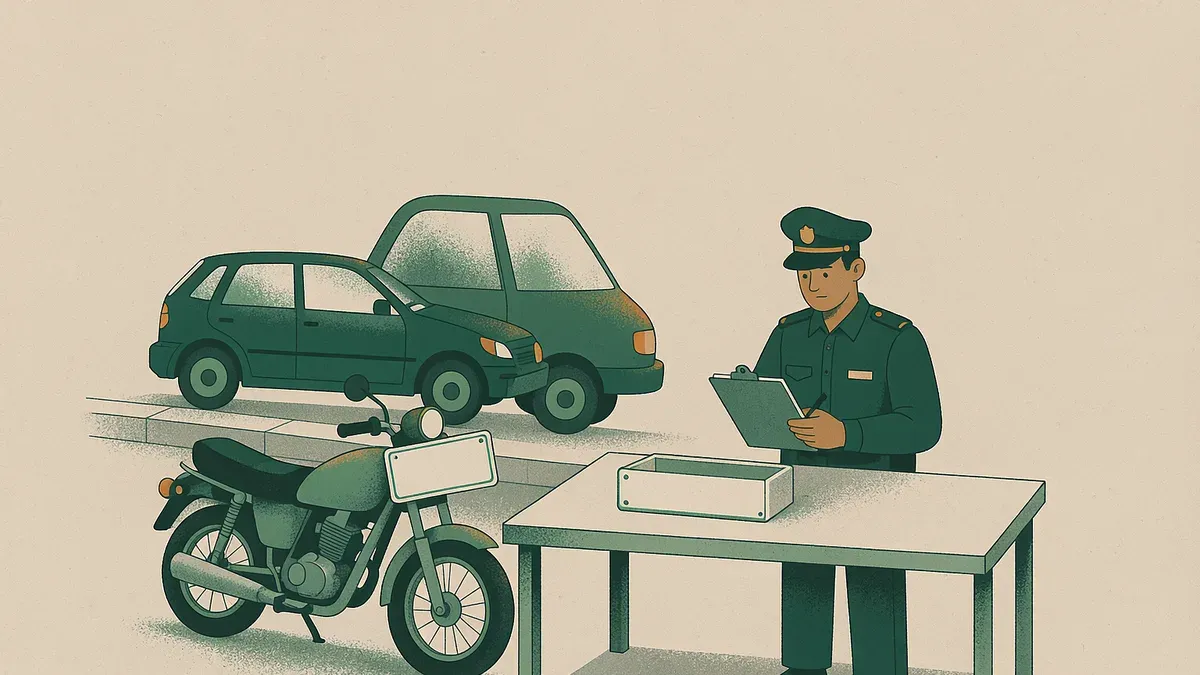
Understand how traffic challans work in Pakistan: what triggers an e-challan, how to check your vehicle or licence, how to pay and how to dispute one.
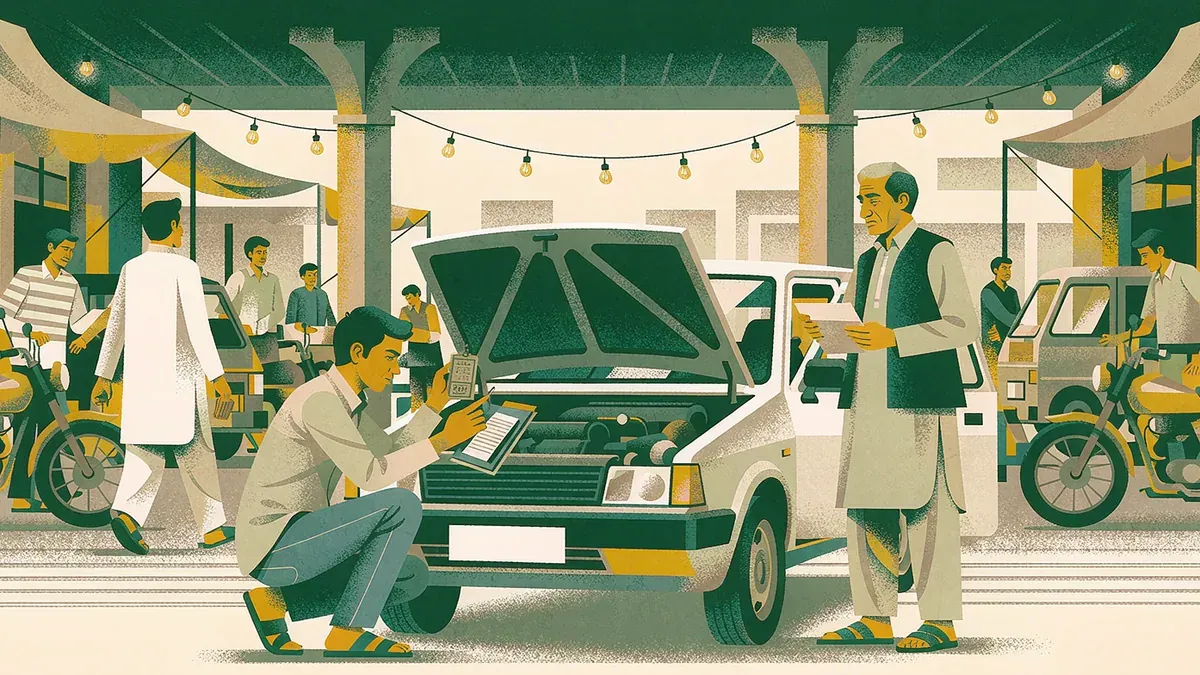
Before you pay for a used car: documents, engine and chassis number matching, verification lookup, token tax status, seller CNIC and sale letter.
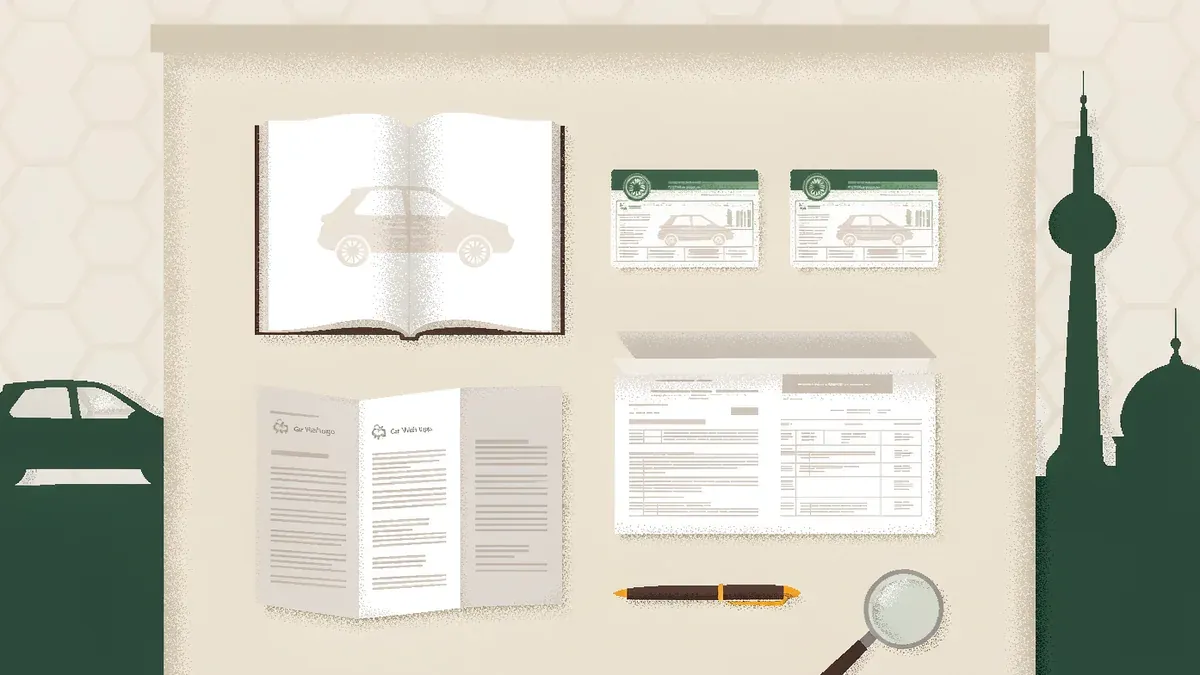
Documents required for vehicle transfer in Pakistan: registration book, CNIC copies, sale letter, token tax clearance. Check your province's checklist.
Pay token tax in Pakistan by bank payment slip, online or mobile banking, or the provincial portal. Always keep the paid challan as proof of payment.