Documents Required for a Fitness Certificate in Pakistan
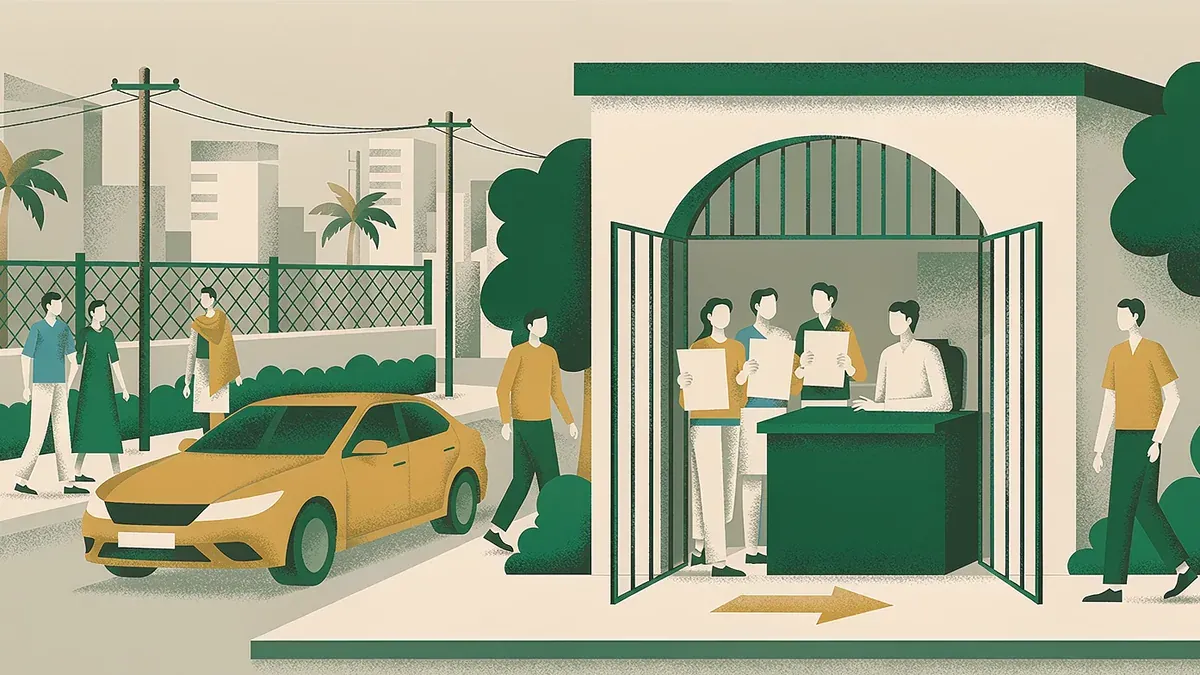
The fitness certificate document set covers registration book, CNIC, token tax clearance and route permit, and what to do if one is missing.

Showing 37–48 of 68 step-by-step guides across 6 topics.
The fitness certificate document set covers registration book, CNIC, token tax clearance and route permit, and what to do if one is missing.
Registration charges are a bundle of items: entry, plates, documents and provincial levies. See why totals differ and how to verify your amount.
The core traffic rules in Pakistan explained: signalling, lane discipline, speed limits, roundabout right of way, pedestrian crossings and mobile phone use.
Vehicle verification is not usually a legal duty, but it protects against disputed ownership and unpaid dues. See when it helps and where it fails.
Check transfer status by pulling the ownership record against the registration number. See what each status means and what to do if it stalls.
Check token tax status in Pakistan against your registration number, then fix any mismatch with the department before a transfer or fitness check.
Private cars follow a lighter fitness route than commercial vehicles. Learn the events that trigger an inspection and how the two routes differ.
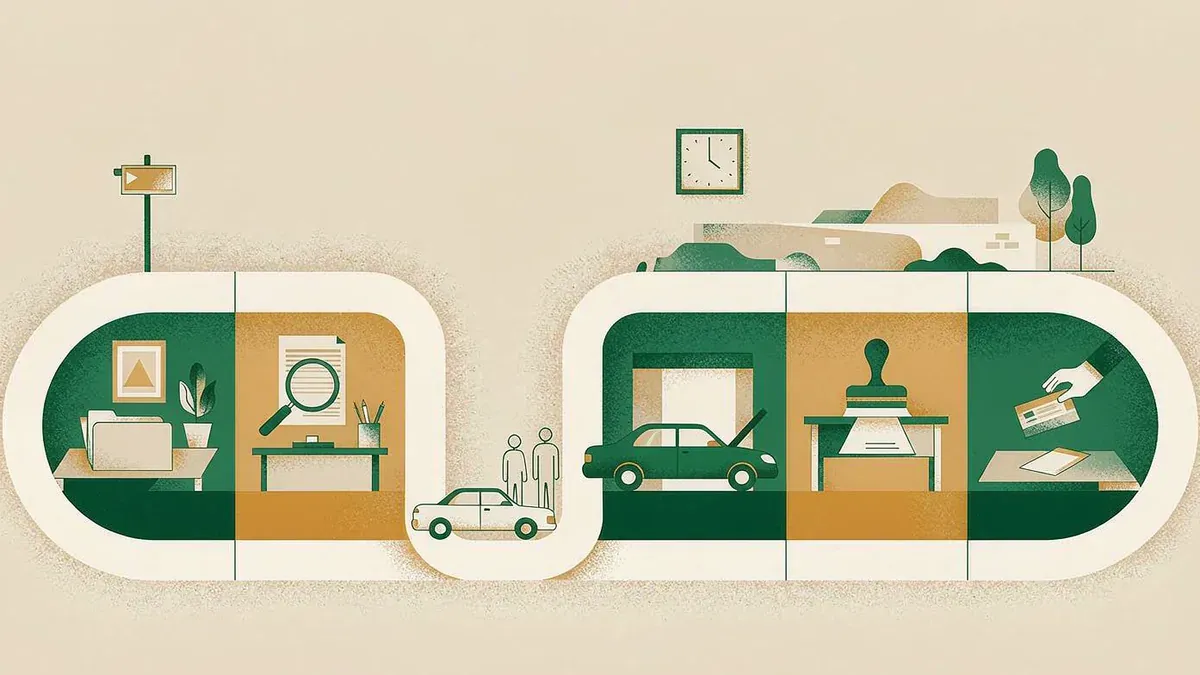
Vehicle registration runs through paperwork, verification, inspection and plate production. See realistic timelines per stage and how to check progress.
A CNIC vehicle search lists vehicles recorded against an identity number. Learn what it shows, why the data can be stale, and its privacy limits.
Vehicle transfer rules cover who may apply, seller attendance, clearance of dues, financed vehicles and registrations held in another province.
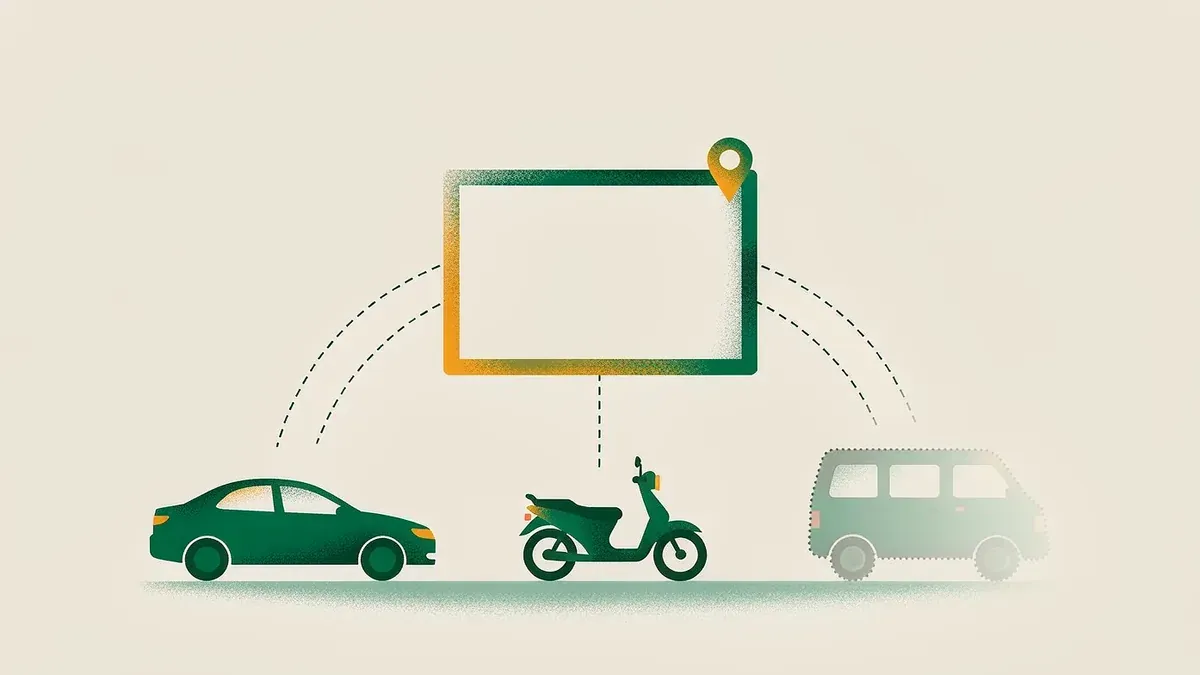
Compare token tax for cars, motorcycles and commercial vehicles in Pakistan and learn what each vehicle group is actually charged on each year.
Fitness certificate fees are built from inspection, certificate and levy components. Learn how the total is structured and where to confirm it.