
Registration
Private Car Registration Rules in Pakistan: Ownership, Plates, Insurance and Restrictions
Key takeaways
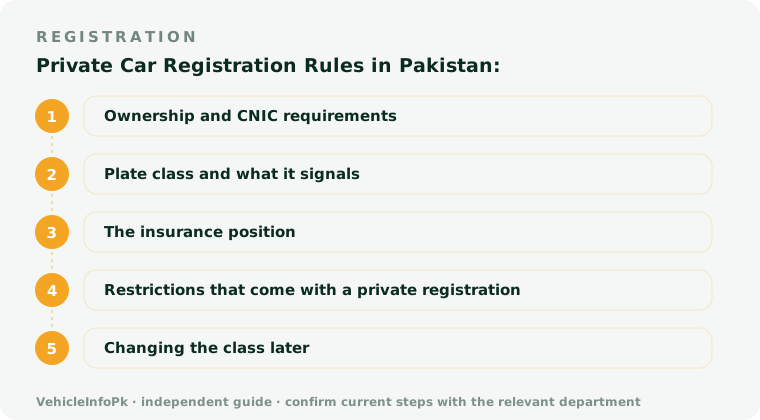
- A private car is registered to a named individual against their CNIC.
- The private plate class affects stops, city access rules and toll categories.
- Hire work, paid goods transport and most ride-hailing need commercial registration.
- Changing the registration class later costs far more than choosing correctly now.
Registering a private car in Pakistan means recording the vehicle with the registration authority in the name of an individual for personal use, which brings a lighter compliance set than a commercial registration but also carries firm restrictions on how the car may be used. The registration class determines your plate colour, your inspection expectations and what you may lawfully do with the vehicle afterwards. Getting the class right at the outset is far easier than correcting the record later.
Ownership and CNIC requirements
The vehicle is recorded against a named individual, and that person's Computerised National Identity Card is the foundation of the application. In practice you should expect:
- The CNIC of the registered owner, valid and matching the name on the application form exactly.
- The sale invoice or purchase evidence from the dealer or private seller, showing engine and chassis numbers.
- Proof of address where the authority requires it, so correspondence and dispatch reach the recorded owner.
- Transfer paperwork if the car is coming from a previous private owner, including the seller's part of the transfer.
- An authority letter and representative's CNIC where someone else attends on your behalf.
Registration follows whichever registering office covers the owner's address, so a move between provinces later brings its own transfer-of-record work rather than a simple address change.
Registering a car in someone else's name while you pay for and use it creates problems later, because the register recognises the recorded owner. Sale, insurance claims and transfer all work from that record, not from who actually paid.
Plate class and what it signals
Private cars receive a private registration number and private plate format, visually distinct from commercial plates so that enforcement can tell the two apart at a glance. That distinction matters beyond appearance: toll categories, parking terms, restricted-road access in some cities, and the way an officer reads your vehicle during a stop all follow from the plate class rather than from what you tell them. Fitting anything other than the issued plate invites challans and questions about the vehicle's identity, so use the plate the authority issues and keep it clean, legible and correctly mounted.
The insurance position
Comprehensive or third-party cover is not a formality for a private car; third-party liability cover is a legal expectation on Pakistan's roads, and lenders will insist on comprehensive cover for a financed vehicle regardless. Keep the policy current and carry evidence of it, because an officer may ask, and because an accident involving an uninsured vehicle leaves you personally exposed. Comprehensive policies often require an inspection or valuation at inception, so arrange cover early enough that it does not hold up registration paperwork.
Restrictions that come with a private registration
A private registration permits personal use by the owner and household. It does not authorise the following, and each needs different paperwork:
| Activity | Position under a private registration |
|---|---|
| Carrying passengers for hire | Not permitted without commercial registration and a route permit |
| Carrying goods for payment | Requires a goods vehicle registration and appropriate permit |
| Operating under a ride-hailing service | Usually requires commercial registration; confirm locally before joining a platform |
| Using the car as a paid driving instruction vehicle | Often treated as commercial; check with the registration authority |
| Lending the car to family | Normally acceptable for personal use, provided the driver is licensed |
Token tax still applies to a private car every year, and the relevant annual record is separate from the registration itself. Fitness certification requirements for private cars are generally lighter than for commercial vehicles, but confirm what applies to your vehicle age and class in your province rather than assuming an exemption.
Changing the class later
Converting a private car to commercial use requires a change in the registration record, the appropriate commercial class, and the relevant permits — not simply a change in how you use the vehicle. Equally, converting a commercial vehicle to private registration involves the register being amended and differences in what is payable going forward. Either conversion is far more work than choosing the correct class at the time you register.
Confirm that your CNIC name, address and purchase document all match before you attend, since mismatches are the most common reason for a wasted visit. Once registered, keep the temporary document, plate collection slip and insurance evidence together until the registration book or smart card reaches you.
Keep reading
New Vehicle Registration Process in Pakistan: Step-by-Step
Registering a new vehicle in Pakistan runs from sale invoice to number plate in six clear steps. See the right order and who files each part.
Documents Required for Vehicle Registration in Pakistan
Vehicle registration needs CNIC, sale invoice, origin papers, forms and a paid slip. See what each proves and the remedy when one is missing.
Temporary vs Permanent Vehicle Registration in Pakistan: What Each One Allows
A temporary registration lets you drive briefly while the permanent record is prepared. Learn validity, conversion steps and expired registration risks.