
Traffic Rules
Traffic Challans in Pakistan: What Triggers One, How to Check and Pay an e-Challan, and How to Dispute a Wrong Entry
Key takeaways
- Challans can be recorded by camera without you ever being stopped.
- Check by registration number and separately by CNIC or licence number.
- Pay only against a challan number you have verified on the official record.
- Dispute errors with the challan number plus dated supporting evidence.
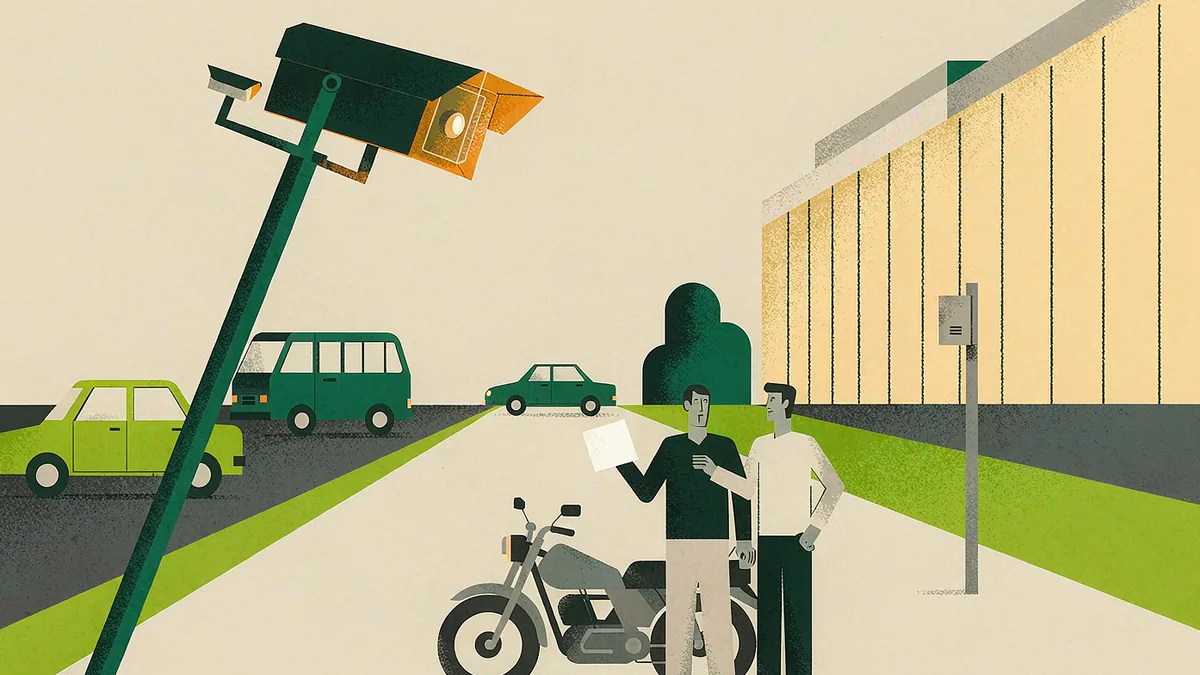
A traffic challan is a notice of a traffic offence issued against a vehicle or a driving licence. Today most challans are recorded electronically against the registration number or the licence number, which means you can be issued one after a camera capture or an officer's handheld entry without any paper being handed to you at the time. Understanding what triggers one, how to check and how to pay puts you back in control of the situation.
What triggers a challan
Challans are issued for the full range of traffic offences. The most common are:
- Speeding, recorded by fixed cameras, mobile speed units or motorway police equipment.
- Signal and red light violations, increasingly captured by cameras at major intersections.
- Lane violations and wrong-way driving, including driving on the hard shoulder.
- Not wearing a seat belt or a motorcyclist riding without a helmet.
- Using a handheld mobile phone while driving.
- Document offences, such as an expired driving licence, or a missing fitness certificate where one is required.
- Parking and stopping violations, and overloading for commercial vehicles.
Fine amounts are set by each province and by the motorway police for motorways, and the schedules are revised from time to time. Do not rely on a figure quoted informally; check the amount shown on the challan record or confirm the current schedule with the issuing authority.
Checking whether a challan has been issued
Because a challan can be recorded without you being stopped, checking periodically is sensible — particularly after a long motorway trip or after lending a vehicle to someone else.
- Use the traffic police challan service for the province where the vehicle is registered, or the motorway police service for motorway offences.
- Search by registration number, and separately by CNIC or licence number, since some challans attach to the driver rather than the vehicle.
- Check by chassis number too where the option exists, which helps after a number plate change or a recent purchase.
- Note each challan's number, date, location and offence description so you can query it later.
Check before you sell or buy a used vehicle. Challans recorded against the registration number follow the vehicle, and discovering them after the transfer complicates both the sale and the buyer's registration.
How to pay
Payment is normally made against the challan number through the channels the issuing authority specifies, which may include designated bank branches, mobile wallets, or an online payment option linked to the challan record. Pay only against an official challan number you have verified on the challan service, and keep the paid receipt or transaction reference.
Pay within the period stated on the challan. Late payment can attract an additional amount, and unpaid challans can create problems at the time of token tax payment, vehicle transfer or licence renewal.
Disputing a challan that is wrong
Challans are occasionally issued in error: a cloned or misread number plate, a camera capture of a different vehicle, a vehicle already sold, or a challan recorded after the offence was committed by someone else driving the car.
- Collect evidence first. The challan number, date, time and location, plus anything that supports your case — a sale deed or transfer record, a dated photograph, toll records, or a repair or service record showing the vehicle was elsewhere.
- Raise it through the official channel. Use the complaint or review facility provided by the issuing traffic police authority, or attend the relevant office in person where that is the stated route.
- Be specific. State the challan number and the exact ground: wrong vehicle, wrong owner, wrong date, or duplicate entry.
- Follow up in writing and keep copies of every submission and acknowledgement.
Check your registration number and licence number on the relevant challan service today, note anything outstanding, and pay or dispute each entry while the details are still fresh.
Keep reading
Documents to Carry While Driving in Pakistan: Licence, Registration, Insurance, Token Tax and What to Do If One Is Lost
Which documents Pakistani drivers should carry: licence, registration, insurance, token tax proof, fitness certificate and the right way to replace a lost one.
Seat Belt and Helmet Rules in Pakistan: Requirements for Drivers, Passengers, Children and Motorcyclists
Seat belt and helmet rules in Pakistan for drivers, front passengers, children and motorcyclists, plus the safety reasons behind each requirement.
Traffic Rules in Pakistan Every Driver Should Know: Signalling, Speed Limits, Right of Way and Mobile Phones
The core traffic rules in Pakistan explained: signalling, lane discipline, speed limits, roundabout right of way, pedestrian crossings and mobile phone use.